April 30, 2026
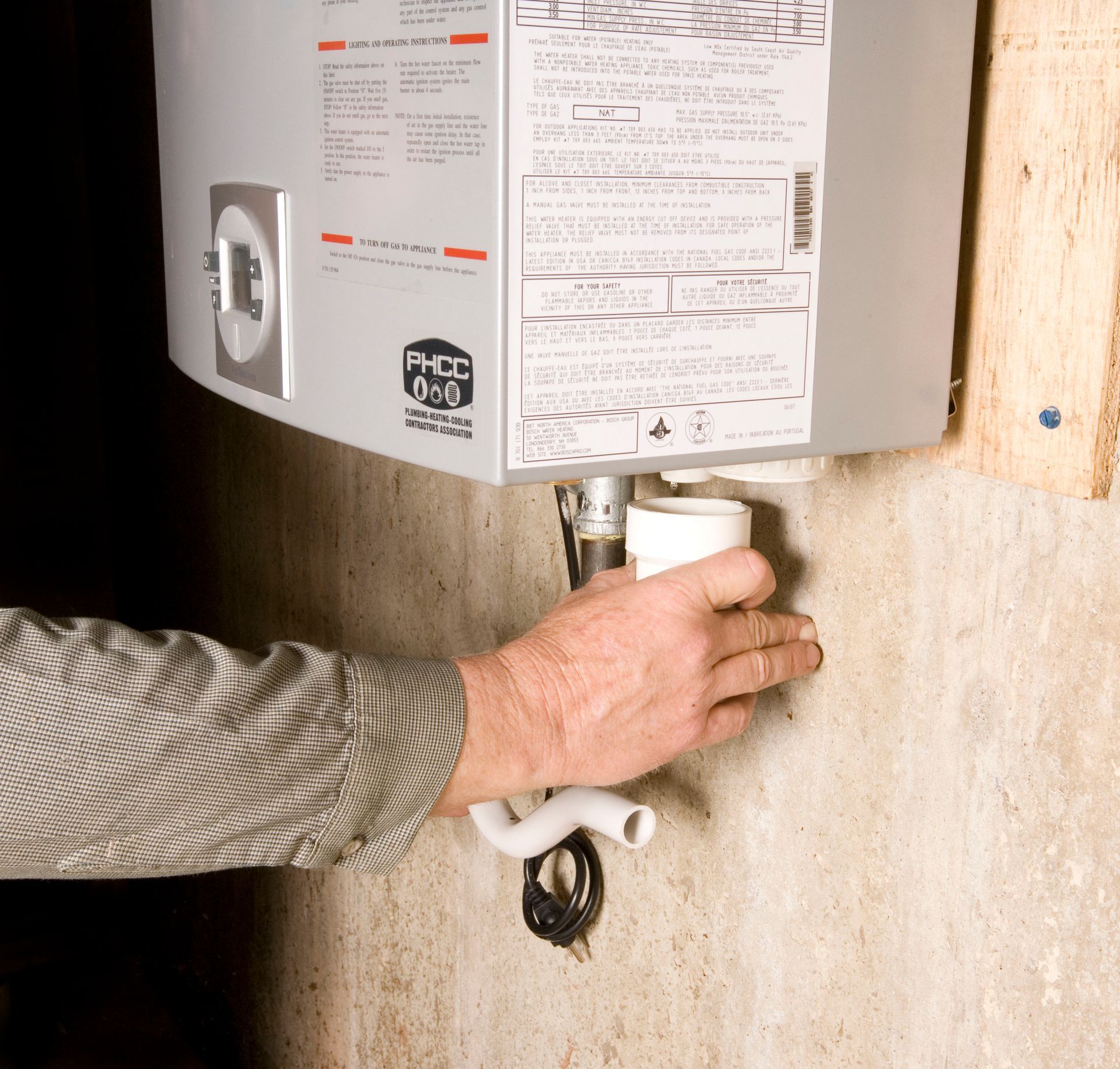
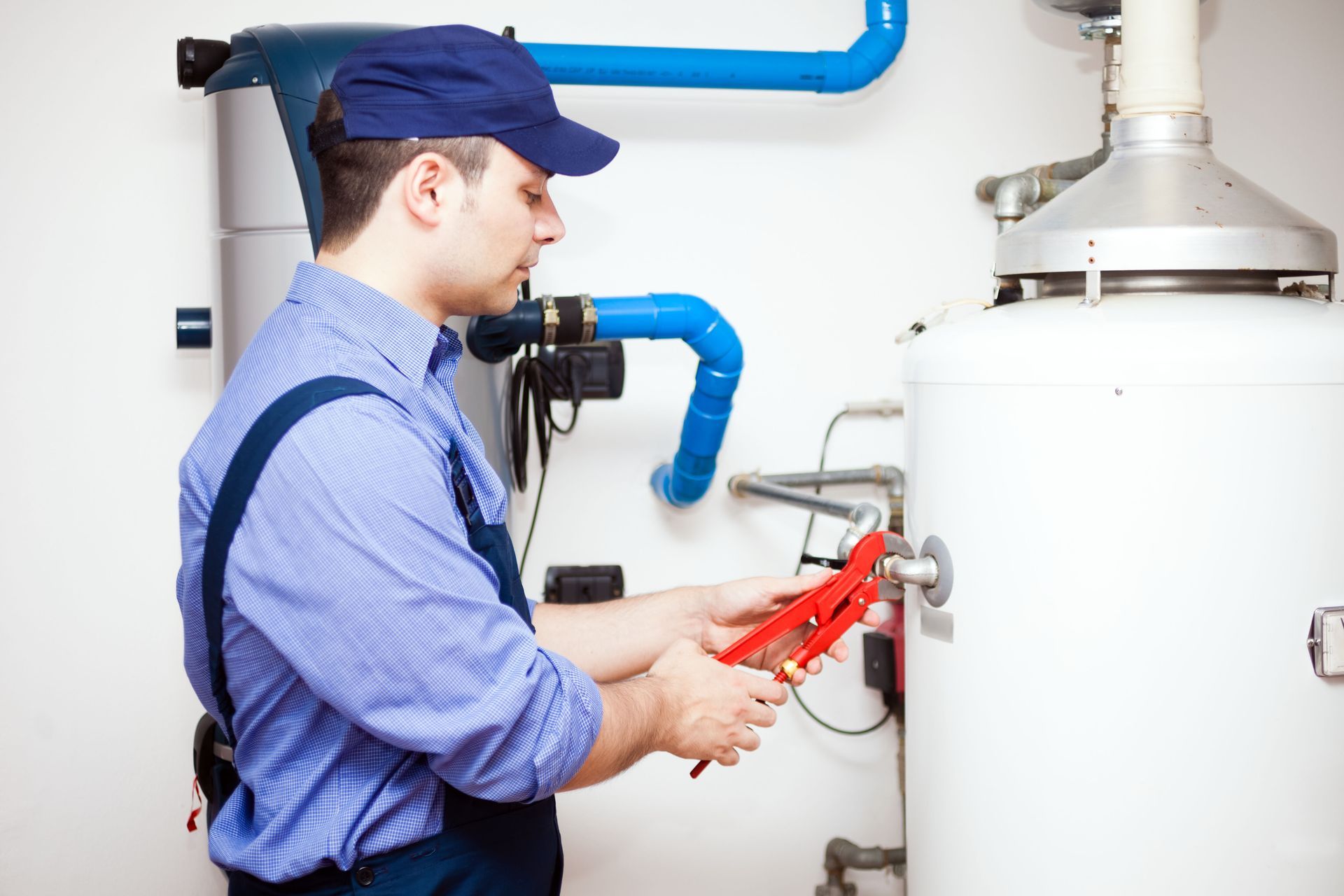
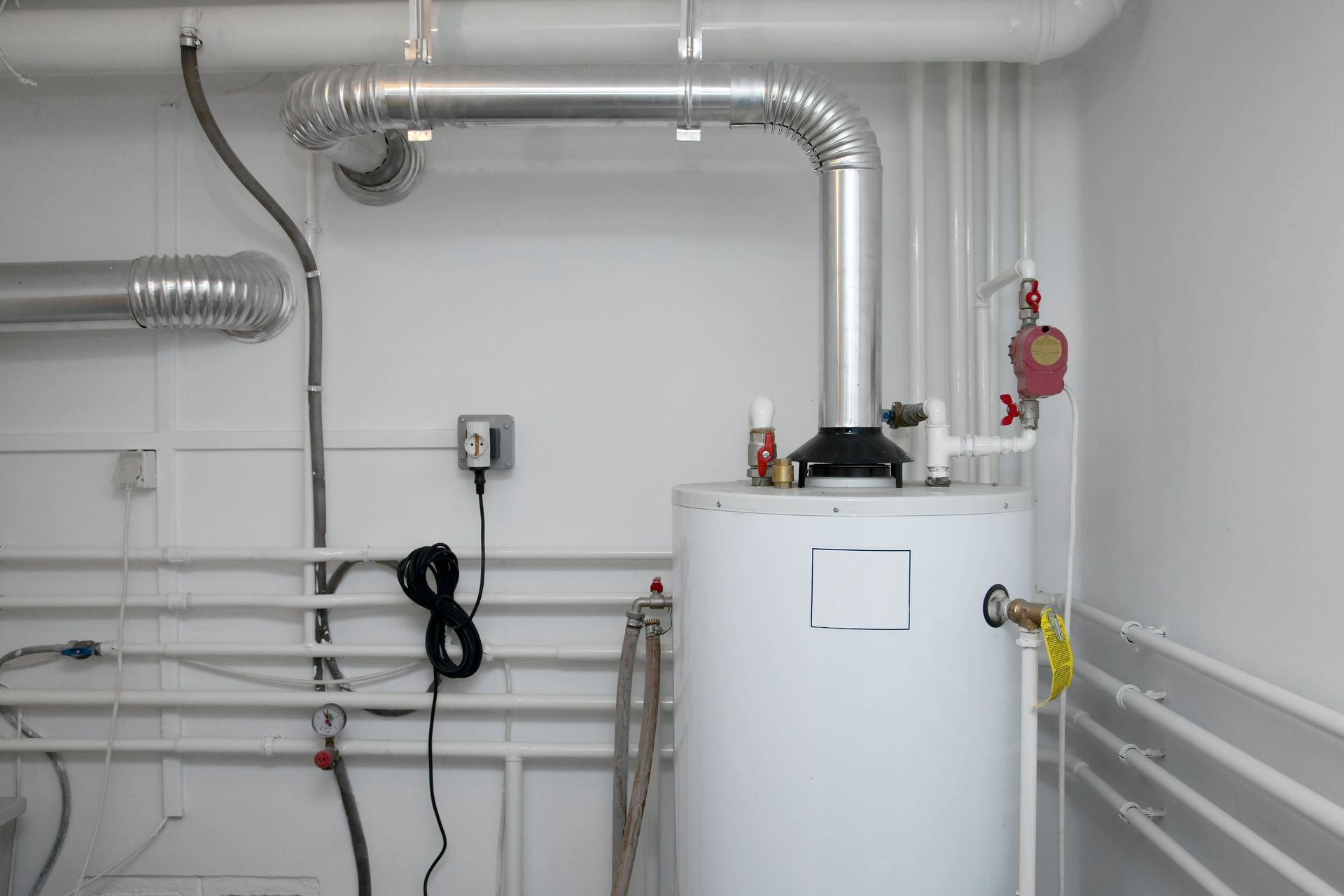
A tankless water heater is a popular choice for homeowners looking for energy efficiency and on-demand hot water. Unlike traditional systems, it heats water only when needed, reducing energy waste and saving space. However, proper maintenance is essential to keep your tankless water heater running efficiently and to extend its lifespan. According to the U.S. Department of Energy, tankless water heaters can last more than 20 years, compared to storage water heaters that will need to be replaced after 10 to 15 years. With consistent care, homeowners can avoid costly repairs and maintain reliable performance for years.
Regular Flushing to Remove Mineral Build-Up
Understanding Mineral Build-Up
Minerals like calcium and magnesium in hard water can accumulate inside a tankless water heater over time. These deposits form scale that reduces efficiency and restricts water flow. If left untreated, buildup can strain internal components and reduce the system’s ability to heat water effectively.
Frequency of Flushing
Most homeowners should flush their tankless water heater once a year. In areas with hard water, more frequent flushing may be necessary. Staying consistent with this schedule helps prevent buildup and keeps the system performing at its best.
Basic Flushing Process
Flushing involves turning off power, connecting hoses to the isolation valves, and circulating a cleaning solution such as vinegar through the unit. Afterward, clean water is used to rinse the system thoroughly. This process removes mineral deposits and restores efficiency.
Tools You Will Need
Common tools include a submersible pump, hoses, a bucket, and a cleaning solution. Having the right supplies ready ensures the maintenance process goes smoothly and safely.
Why Flushing Matters
Skipping this step can lead to poor performance, higher energy bills, and potential system damage. Regular flushing helps extend the life of your tankless water heater and ensures consistent hot water output.
Checking and Cleaning the Inlet Filter
Purpose of the Inlet Filter
The inlet filter prevents debris and sediment from entering your tankless water heater. It plays an important role in protecting internal components and maintaining a steady water flow.
Signs It Needs Cleaning
A clogged filter may cause reduced water pressure, inconsistent temperatures, or unusual noises. Recognizing these signs early can prevent more serious issues.
Cleaning Process
Turn off the water and power supply, locate the filter, and remove it carefully. Rinse it under running water and gently scrub away debris if needed. Once clean, reinstall it securely before restoring the system.
Tools for the Job
A wrench and a soft brush are typically all you need. These simple tools make it easy to perform this maintenance task without damaging the filter.
Impact of a Dirty Filter
A neglected filter can restrict water flow and force your tankless water heater to work harder. This leads to increased wear and reduced efficiency over time.
Inspecting for Leaks and Corrosion
Where to Look for Leaks
Check around pipe connections, valves, and the base of the unit. Even small leaks can lead to larger problems if not addressed promptly.
Signs of Corrosion
Rust stains, discoloration, or unusual odors may indicate corrosion. These issues can weaken components and reduce system lifespan.
Fixing Minor Leaks
Tightening connections or applying plumber’s tape can often resolve small leaks. For more serious issues, replacing parts or consulting a professional may be necessary.
Preventing Corrosion
Regular maintenance, proper ventilation, and keeping components dry can help reduce corrosion risks. These steps protect your tankless water heater and maintain efficiency.
Efficiency Impact
Leaks and corrosion reduce performance and increase energy use. Addressing these issues early helps maintain consistent operation and lower utility costs.
Testing the Pressure Relief Valve
Why It Matters
The pressure relief valve ensures safe operation by releasing excess pressure. This prevents damage and reduces safety risks.
How to Test It
Turn off the system, place a bucket under the discharge pipe, and lift the valve lever. Water should flow briefly and stop when the lever is released.
Signs of a Problem
If water continues to leak or the valve does not reset properly, it may need replacement. Ignoring these issues can lead to system damage.
Consequences of Neglect
Failure to test the valve can result in pressure buildup, which may cause costly repairs or safety hazards.
When to Call a Professional
If you are unsure about testing or notice persistent issues, it is best to contact a technician. Professional service ensures proper handling and safety.
Performing Electrical Component Checks
Importance of Inspections
Electrical components power your tankless water heater. Regular checks help prevent malfunctions and ensure safe operation.
Key Parts to Inspect
Examine wiring, circuit breakers, and control panels for signs of wear or damage. Addressing issues early prevents larger problems.
Safety Precautions
Always turn off the power before inspecting electrical parts. Use proper tools and protective gear to reduce risk.
Common Issues
Loose connections, faulty thermostats, and tripped breakers are common problems. Fixing them promptly keeps the system running smoothly.
Benefits of Professional Help
Professional inspections provide a deeper level of expertise and ensure that all components meet safety standards. This helps extend the life of your tankless water heater.
Managing Water Temperature Settings
Recommended Settings
Setting your tankless water heater to around 120 degrees Fahrenheit balances comfort and efficiency. This reduces energy use while preventing scalding.
How to Adjust Settings
Follow the manufacturer’s instructions to safely adjust temperature controls. Make small changes and test the results to find the ideal setting.
Monitoring Performance
Keep an eye on temperature consistency. Sudden changes may indicate maintenance needs or internal issues.
Risks of Incorrect Settings
High temperatures can strain the system, while low settings may not provide adequate hot water. Proper adjustment ensures reliable performance.
Seasonal Adjustments
Adjusting settings based on seasonal needs can improve efficiency. Lower temperatures in warmer months and slightly higher settings in colder months help maintain comfort and reduce energy use.
Additional Preventive Maintenance Tips
Installing a Water Softener
If your home has hard water, installing a water softener can significantly reduce mineral buildup inside your tankless water heater. This added layer of protection minimizes the need for frequent flushing and helps maintain peak performance. Over time, a water softener can also extend the lifespan of your plumbing system as a whole.
Scheduling Professional Maintenance
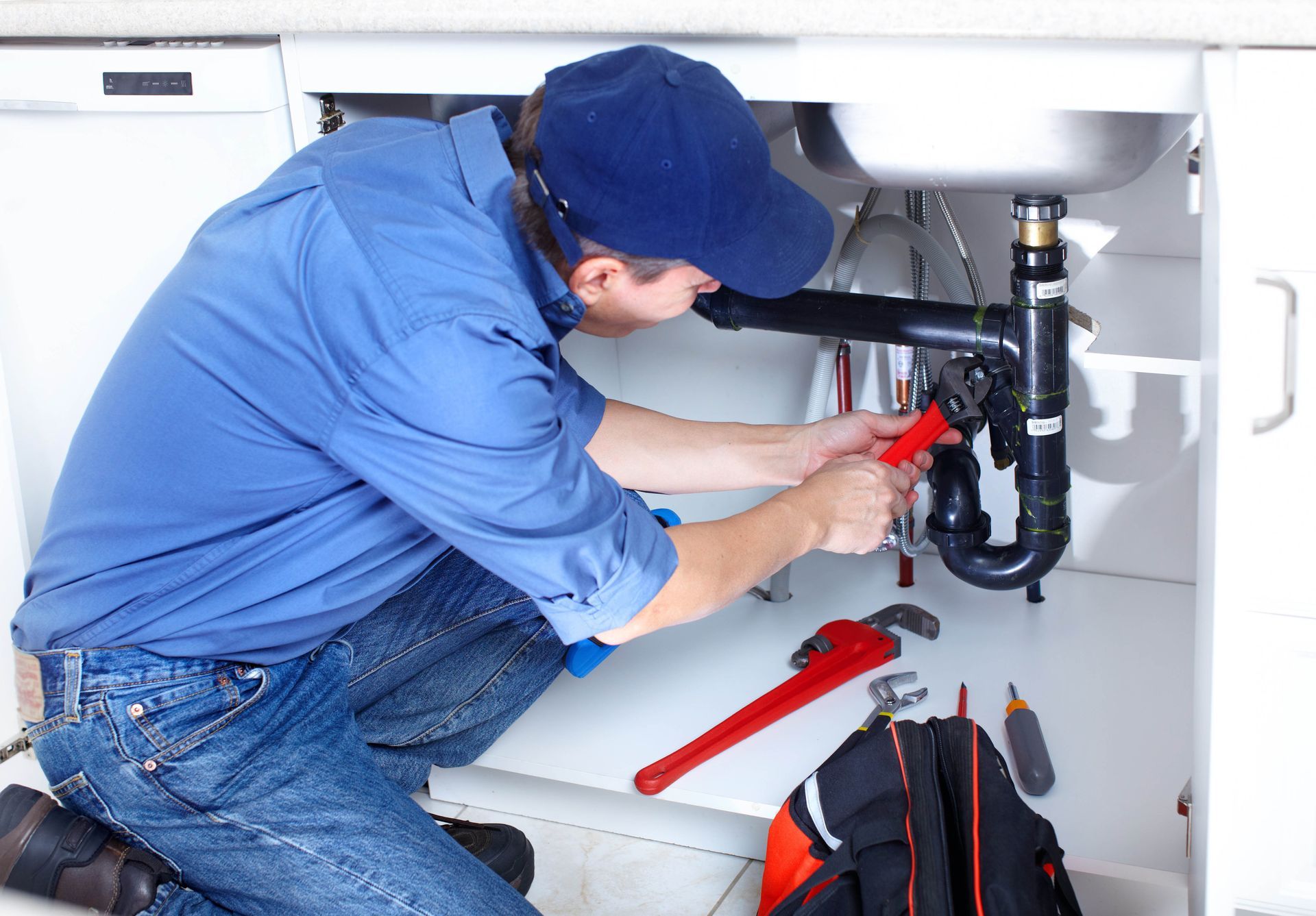
While many maintenance tasks can be handled by homeowners, scheduling an annual professional inspection is highly recommended. A trained technician can identify hidden issues, test components more thoroughly, and ensure your tankless water heater is operating safely and efficiently. This proactive approach reduces the risk of unexpected breakdowns.
Monitoring Error Codes
Modern tankless water heater systems often include digital displays that show error codes when something is wrong. Paying attention to these alerts allows you to address problems quickly before they escalate. Keeping your user manual accessible helps you understand what each code means and what action to take.
Keeping the Area Clean
Maintaining a clean space around your tankless water heater improves airflow and reduces the chance of dust or debris entering the unit. Proper ventilation is especially important for gas-powered systems. A clutter-free area also makes it easier to perform routine inspections and maintenance tasks.
Maintaining a tankless water heater requires consistent attention to cleaning, inspection, and system checks. These steps help improve efficiency, prevent breakdowns, and extend the unit’s lifespan. By staying proactive, homeowners can enjoy reliable hot water while protecting their investment. A well-maintained tankless water heater delivers long-term performance, energy savings, and peace of mind. For more information, contact MVP'S Plumbing Services.